8 Alignment Checkpoints to Fix Revenue Erosion & Scale Growth

Updated: Apr 16
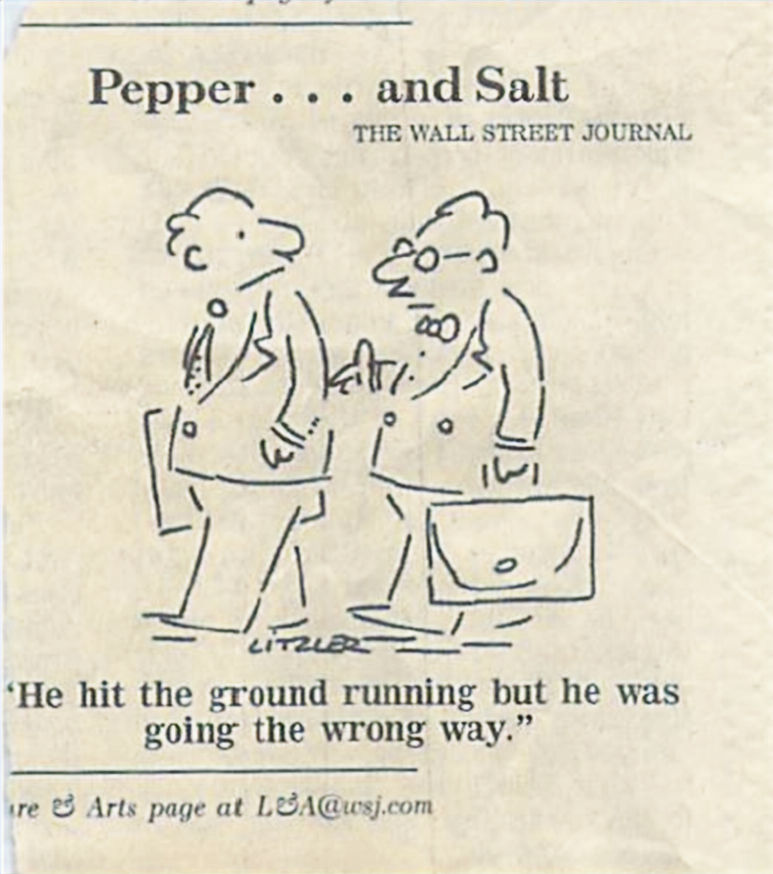
Revenue growth doesn’t usually fail in a single moment. It fades as early signals are missed and small execution gaps accumulate, eventually showing up as revenue gaps.
The eight checkpoints below are designed to surface those early signals—before execution gaps harden into revenue gaps that are far more difficult to close.
The numbers don’t crater at first. They soften. Forecasts start getting “revisited.” Explanations get longer. Teams work harder. And leadership convinces itself that one more push, one more quarter, one more hire will fix it.
Eventually, the board and the CEO want it fixed—now.
That’s usually when the uncomfortable truth lands: it will likely take as long, if not longer, to get out of the mess than it took to fall into it. Not because people aren’t capable, but because the erosion didn’t come from a single bad decision. It came from months—sometimes years—of small misalignments that quietly compounded, quarter after quarter.
That’s the part most leaders underestimate.
In growing companies, revenue problems are rarely about effort or intelligence. They’re about misalignment that went unchecked for too long. Small differences in assumptions, priorities, and ownership accumulate until results become unpredictable and leadership shifts from steering the business to reacting to it.
At that point, teams often start questioning the strategy. But more often than not, the strategy wasn’t the real problem. Alignment around it was never fully established, tested, or maintained. There was no clear plan of record that everyone committed to—and no disciplined way to revisit it as reality changed.
More meetings. More updates. More communication.
But alignment isn’t something you communicate into existence. It’s something you design into the planning and execution system.
Revenue erosion starts long before the numbers miss—and alignment is usually where it begins.
The companies that grow consistently rely on a small set of alignment checkpoints—deliberate moments where assumptions are surfaced, priorities are tested, and decisions are locked before execution drifts.
These checkpoints are the engine that turns strategy into repeatable revenue growth—and they’re what keep organizations out of downward spirals in the first place.
The checkpoints that follow are designed to identify where that misalignment is forming—while there’s still time to correct it.
“Alignment Checkpoints That Drive Revenue Growth”
The Outcome Checkpoint
Are leaders truly aligned on the revenue result they’re accountable for—and the timeframe that actually matters? Not the aspirational number, but the one that forces real tradeoffs. When people agree in the room but act differently afterward misalignment is already embedded.
The Assumption Checkpoint
Every growth plan rests on beliefs about customers, demand, pricing, conversion, timing, and execution capacity. When assumptions stay unspoken, they don’t disappear—they harden. The loudest voices shape the plan. The quiet skeptics wait. And when results miss, everyone suddenly remembers what they “always knew.” Strong teams force assumptions into the open early—before politics, hierarchy, budget conflicts, or momentum make them untouchable.
The Priority Checkpoint
Strategy only works when it becomes a focus. If everything is important, nothing really is. This checkpoint asks whether today’s initiatives clearly close specific revenue gaps—or whether teams are defending legacy commitments and pet projects under the banner of growth.
The Cross‑Functional Checkpoint
As companies scale, alignment between functions usually breaks down. Sales push for pipeline. Marketing pushes for messaging. Product pushes for features. Operations push for stability. Revenue doesn’t fail inside silos—it fails in the handoffs.
The Capacity Checkpoint
Just because something is critical doesn’t mean the organization can execute it right now. Bandwidth, skills, and decision velocity are real constraints. Ignoring them doesn’t stretch teams—it creates slippage, burnout, sloppiness, and a growing gap between plans and results.
Early Warning Signals Checkpoint
Aligned teams agree on a small set of leading indicators that show—early—whether revenue results are on track. Lagging revenue numbers explain what has already happened. Signals are what allow leaders to adjust before the miss.
The Accountability Checkpoint
Alignment holds only when decision authority and ownership are clear. Shared accountability sounds collaborative, but it often means no one is truly accountable when momentum stalls. Decisions get revisited. Progress slows. Revenue gaps continue to grow.
The Recalibration Checkpoint
Markets change. Assumptions break. Strong leaders adjust. Weaker ones defend past decisions because too much identity, credibility, or compensation is tied to being right. Alignment isn’t static—it’s a discipline of revisiting reality before reality revisits you. That’s why alignment matters most before results slip. Once revenue gaps widen, urgency rises—but options narrow.
Revenue growth doesn’t come from working harder or fixing things faster. It comes from passing the right alignment checkpoints—again and again.
When those checkpoints are built into how a company operates, revenue stops eroding quietly and starts behaving like a system outcome—by design.
Comments